
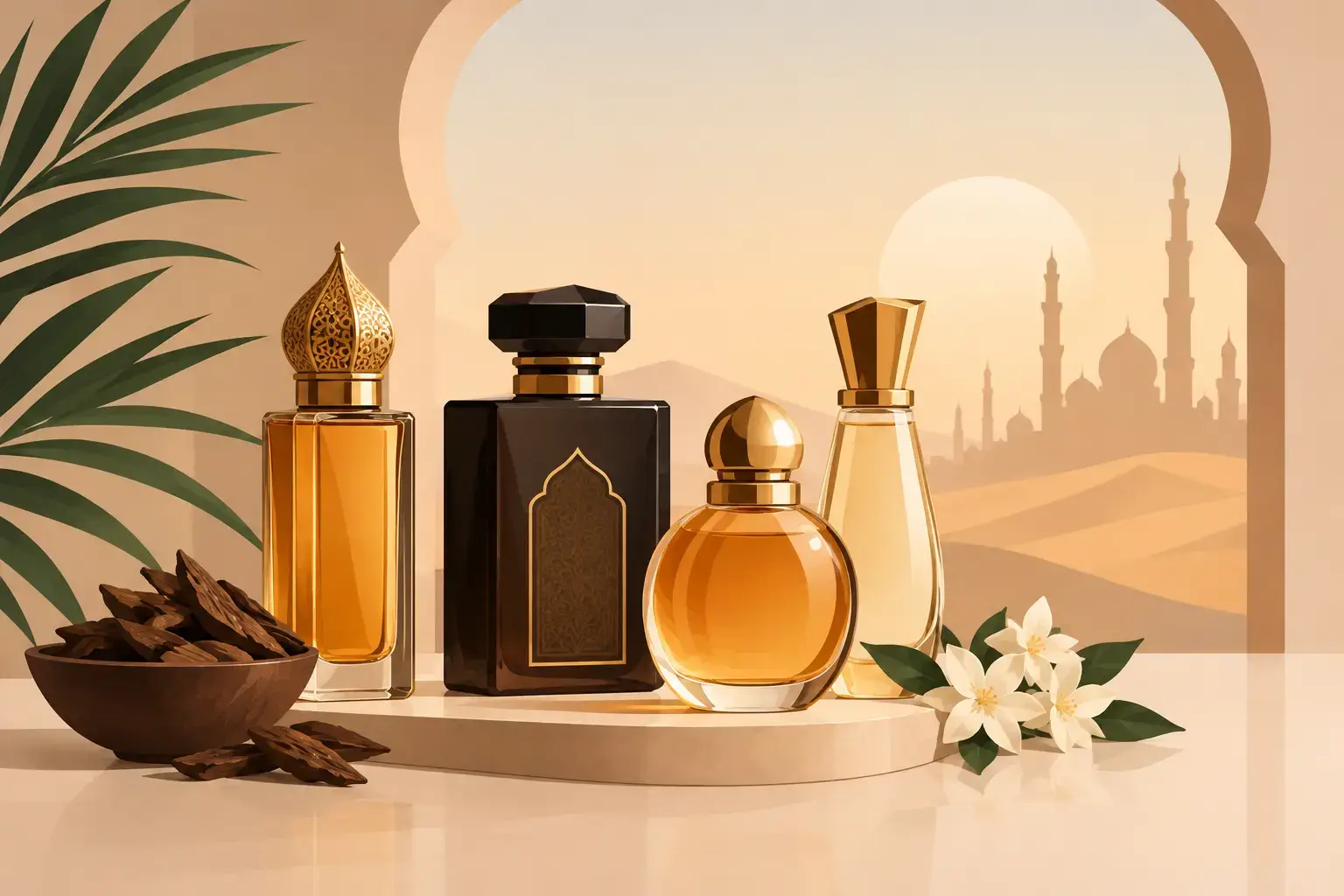
Arabic perfume trends have moved well beyond a niche fragrance category. US shoppers are choosing these scents for their noticeable longevity, rich note profiles, and strong value compared with many department-store releases. The appeal is not just about wearing something intense. It is about finding a fragrance with warmth, presence, and a character that lasts from a morning commute through an evening out.
For shoppers building a fragrance collection, Arabic-inspired perfumes can offer a practical way to explore woods, amber, vanilla, musk, rose, saffron, and oud. The right choice depends on the notes you enjoy, how much projection you want, and when you plan to wear it.
Arabic Perfume Trends: What Shoppers Are Choosing
The biggest trend is balance. Earlier interest in Arabic fragrances often centered on powerful oud and heavy incense. Those styles still have loyal fans, especially for evenings and cooler weather, but many current releases soften the profile with sweet vanilla, fresh citrus, clean musk, fruit, or floral notes.
This makes the category easier to wear every day. A warm amber fragrance can feel polished at work when it is paired with bergamot or lavender. A rose scent can feel modern rather than formal when it includes pear, lychee, or white musk. Even oud, known for its dark woody character, is increasingly blended with praline, saffron, leather, or smooth woods for a more approachable finish.
Another reason these fragrances are gaining attention is performance. Many are Eau de Parfum concentrations, which generally contain more fragrance oil than an Eau de Toilette. That can mean longer wear, although skin type, climate, and the formula itself always matter. A scent that lasts all day on one person may wear closer to the skin on another.
Gourmand warmth remains a major favorite
Vanilla is one of the clearest forces shaping current fragrance demand. It is no longer limited to sugary body sprays or holiday scents. In Arabic-inspired perfumery, vanilla often appears with amber, tonka bean, cinnamon, dates, caramel, sandalwood, or smoky woods. The result can be sweet, but it can also be smooth, creamy, spicy, or dry.
These fragrances work especially well for shoppers who want compliments without wearing a basic scent. If you enjoy warm designer fragrances but want a deeper base and better staying power, a vanilla-amber or vanilla-wood composition is a smart starting point. For daytime wear, look for vanilla balanced by citrus, musk, or soft florals instead of dense resins.
Saffron and woods offer a polished unisex direction
Saffron has become a familiar note in popular unisex fragrances because it can feel warm, airy, leathery, and slightly sweet at once. When blended with cedar, amberwood, patchouli, or musk, it creates a clean but substantial scent profile.
This is a useful category for anyone who does not want a fragrance labeled strictly masculine or feminine. Saffron-and-wood scents are often versatile enough for work, dinners, travel, and gifting. They can project well, so start with two or three sprays and adjust after you see how the fragrance develops on your skin.
Oud is becoming easier to wear
Oud remains one of the most recognizable notes associated with Arabic perfumery, but it is not one single smell. Depending on the blend, oud may come across as woody, smoky, earthy, leathery, sweet, or medicinal. That variety is why it continues to matter, but it also explains why blind buying can be risky.
Newer oud fragrances often pair the note with rose, vanilla, raspberry, citrus, or amber. These blends preserve the depth that oud fans expect while giving newcomers a softer entry point. If you are unsure about oud, choose a fragrance where it appears in the middle or base notes with familiar supporting notes such as vanilla or sandalwood.
How to Choose an Arabic-Inspired Fragrance
Start with the fragrance families you already wear. If you like fresh blue-style colognes, look for citrus, aromatic herbs, clean musk, and amberwood. If you prefer sweeter scents, consider vanilla, tonka, caramel, cinnamon, or dates. If your collection leans classic and refined, rose, incense, leather, patchouli, and oud may be a better match.
Do not choose based on the opening alone. Many Arabic-inspired perfumes change noticeably after the first 15 to 30 minutes. Bright fruit or spice can settle into warm amber, creamy vanilla, or woods. Give the dry down time before deciding whether a fragrance suits you.
Concentration also matters. Eau de Parfum is often a practical choice for shoppers who want stronger performance and a fuller scent profile. Eau de Toilette may be better for hot weather, office settings, or anyone who prefers lighter application. A higher concentration does not automatically mean better. It means you should use fewer sprays and choose the setting carefully.
Season matters, too. Dense oud, amber, leather, and gourmand fragrances usually shine in fall and winter, air-conditioned spaces, and evening plans. Citrus, white musk, airy florals, and aromatic woods are typically easier during a Miami summer or any humid climate. Still, there are no fixed rules. If a warm fragrance makes you feel confident in July, wear it lightly and make it your own.
Layering Is Popular, but Keep It Simple
Layering is a long-standing part of fragrance culture and one of the Arabic perfume trends that has caught on with American shoppers. It can help create a signature scent, but too many competing notes can turn a good fragrance into a confusing one.
A simple approach works best. Pair a clean musk scent with a vanilla fragrance for extra softness, or add a rose perfume over a woody amber base for depth. Matching a citrus opening with a heavier oud scent can also make the blend feel brighter and more wearable during the day.
Apply the stronger fragrance first and use the lighter scent sparingly. Test the combination at home before wearing it to an event or workplace. Body lotion can also help with longevity, especially if you choose an unscented formula that will not compete with your perfume.
Value Matters More Than Hype
Social media can make a fragrance sell out quickly, but popularity alone is not a reason to buy. The best purchase is one that fits your taste, your budget, and how you actually live. A bold extrait may be exciting, but a versatile Eau de Parfum you reach for three times a week can deliver more value.
Pay attention to bottle size and how often you plan to wear the scent. A smaller bottle is a smart way to try an unfamiliar profile such as smoky oud or intense incense. A larger size makes more sense for a daily signature fragrance with notes you already know you enjoy.
For gift shopping, choose broadly appealing profiles unless you know the recipient’s preferences well. Vanilla, soft amber, citrus woods, clean musk, and gentle rose are usually safer than highly animalic, smoky, or medicinal oud styles. For resale and wholesale buyers, proven scent directions such as gourmand vanilla, saffron woods, and approachable oud blends tend to have wider customer appeal than highly experimental formulas.
Wear It With Confidence
Arabic-inspired fragrances are not all loud, sweet, or formal. They range from crisp musks and citrus woods to deep rose-oud blends and rich vanilla ambers. That variety is exactly what makes the category worth exploring.
At Perfumes Trade, shoppers can compare recognizable fragrance styles and concentrations without treating every purchase like a luxury-store gamble. Start with the notes you already love, apply lightly when trying a stronger formula, and give each scent time to settle. The fragrance that earns a place in your rotation is the one you will be happy to wear again tomorrow.