
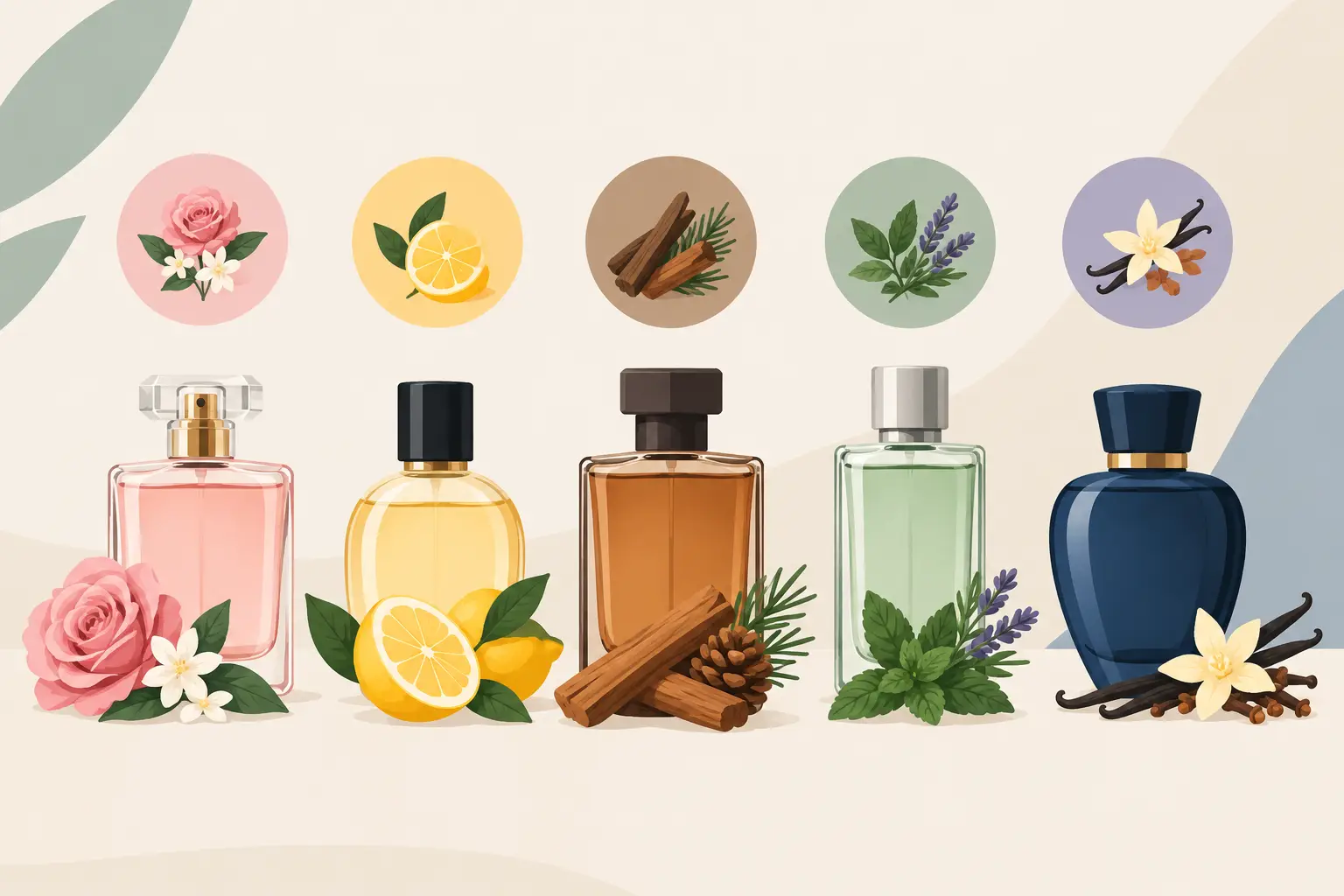
A fragrance can smell clean, sweet, warm, crisp, or deep within seconds of the first spray. That is why understanding fragrance families for beginners is more useful than memorizing long lists of perfume notes. Families give you a fast way to narrow a large selection down to scents you are actually likely to enjoy.
You do not need a trained nose or an expensive collection to get started. Think about the soaps, candles, coffee drinks, flowers, woods, and foods you already like. Those preferences often point toward a fragrance family that makes sense for you. From there, you can shop with more confidence, whether you want an everyday cologne, a gift, or a new signature scent.
What Is a Fragrance Family?
A fragrance family is a broad scent category based on the overall impression a perfume creates. A bottle may list bergamot, rose, vanilla, cedarwood, and musk, but those individual ingredients work together to create a larger style. That style might be fresh, floral, woody, amber, or gourmand.
Families are helpful shortcuts, not strict rules. Many popular fragrances blend two or more families. A fresh woody scent might open with citrus and settle into cedarwood. A floral amber perfume might begin with jasmine, then become warmer and sweeter as it dries down. The label tells you where a fragrance generally belongs, but your skin, the weather, and your personal taste determine how it wears.
The Main Fragrance Families for Beginners
Fresh: clean, bright, and easy to wear
Fresh fragrances often feature citrus, aquatic notes, green notes, herbs, or light woods. Think lemon peel, bergamot, grapefruit, ocean air, freshly cut grass, mint, or a crisp white shirt. They are a reliable starting point for people who want something clean rather than sweet or heavy.
Fresh scents work especially well for daytime, warm weather, the office, the gym after a shower, and casual gifting. The trade-off is that many fresh compositions do not project as strongly or last as long as richer fragrances. An Eau de Parfum may offer more staying power than an Eau de Toilette, but the formula matters more than the concentration alone.
Floral: soft, romantic, and versatile
Floral fragrances center on flower-inspired notes such as rose, jasmine, orange blossom, gardenia, peony, lavender, or iris. They can smell airy and soapy, fresh and green, creamy and rich, or sweet and powdery. Floral does not automatically mean old-fashioned or overly feminine. Lavender and orange blossom appear in many men’s and unisex fragrances, while rose can feel dark, spicy, or woody.
If you enjoy fresh flowers, scented body lotions, or a polished clean scent, start with light floral or floral-fresh options. If you prefer more noticeable perfume, look for white florals like jasmine, tuberose, and gardenia. These can be beautiful for evenings, but they may feel too bold in a small office or during hot summer days.
Woody: dry, grounded, and polished
Woody fragrances are built around materials such as cedarwood, sandalwood, vetiver, patchouli, and cashmere woods. They often smell dry, smooth, earthy, creamy, or slightly smoky. This family is popular in men’s cologne, unisex scents, and more refined evening perfumes because it adds depth without always becoming sweet.
Woody scents are a good choice if citrus fades too quickly on you or if you want a fragrance that feels put together for work, dinner, or cooler weather. Cedar and vetiver tend to feel sharper and cleaner. Sandalwood is often softer and creamier. Patchouli can be earthy or slightly sweet, so it is worth testing before buying a large bottle.
Amber: warm, spicy, and long-lasting
Amber is a modern fragrance category for scents that feel warm, resinous, spicy, sweet, or sensual. You may also see this style described as oriental in older fragrance guides, but amber is now the more common term. Notes can include vanilla, benzoin, tonka bean, incense, cinnamon, cardamom, labdanum, and warm woods.
Amber fragrances are often a strong match for night outs, date nights, fall, winter, and anyone who wants a scent with presence. They can also last well, though that depends on the individual formula. The trade-off is intensity: a warm vanilla-spice fragrance that feels perfect outdoors in December may be too much for a humid Miami afternoon. Start with one or two sprays and give it time to settle.
Gourmand: sweet, edible, and comforting
Gourmand fragrances smell inspired by food and desserts. Common notes include vanilla, caramel, chocolate, coffee, almond, honey, whipped cream, praline, coconut, and sugar. Some gourmands are playful and cozy; others use coffee, spice, woods, or leather to create a darker, more grown-up style.
Choose gourmand if you like sweet scents, warm drinks, bakery aromas, or fragrances that earn compliments at close range. Because sweetness can become stronger on warm skin, gourmands are often easiest to wear in cooler weather or in the evening. A lighter gourmand with citrus or woods can be a better everyday option than a dense caramel-vanilla scent.
How to Choose a Family That Fits Your Routine
Start with when and where you will wear the fragrance. For an everyday scent, fresh, light floral, and clean woody styles are usually safe choices. For dinners, events, or cooler weather, woody, amber, and gourmand scents often feel more appropriate. There is no rule that says a floral cannot be your evening fragrance or an amber cannot be worn in daylight. The setting simply helps you avoid buying something that does not match your habits.
Next, decide how noticeable you want it to be. If you prefer a scent others smell only when they are close, look for fresh, soft floral, or skin-musk styles. If you want more projection, amber and gourmand fragrances often deliver it. Stronger is not automatically better. The best fragrance is one you will reach for often and feel comfortable wearing around other people.
Your climate matters, too. Heat can amplify sweetness, spices, and white florals. Cold weather can make a warm woody or vanilla fragrance feel smoother and less intense. If you live somewhere warm most of the year, a fresh scent for daytime and a warmer fragrance for evenings gives you useful variety without requiring a large collection.
Notes, Concentration, and Why They Matter
Fragrance notes describe the stages of a scent. Top notes are what you notice first, often citrus or fruit. Heart notes appear after the opening fades and commonly include florals, spices, or herbs. Base notes, such as woods, vanilla, amber, and musk, usually stay closest to the skin for the longest time.
Do not judge a fragrance only from the first spray. Give it at least 20 to 30 minutes before deciding. A citrus opening can turn into a warm woody dry-down, and a sweet opening can become surprisingly soft once the base notes develop.
Concentration also affects the experience. Eau de Toilette is often lighter and useful for daytime reapplication. Eau de Parfum is commonly richer and may last longer. Eau de Cologne is usually lighter, while Extrait de Cologne can vary by brand. These labels are helpful, but they do not replace testing the actual scent. A well-made EDT may last longer on your skin than an EDP with notes that fade quickly for you.
A Simple Way to Test Before You Commit
Try no more than two or three fragrances at once. Spray each on clean skin, not just a paper strip, and keep them on different areas of your arm. Avoid rubbing your wrists together, which can blur the opening and make it harder to notice how the fragrance develops.
Wear your favorite for several hours before choosing a full bottle. Ask yourself whether you still enjoy it after the opening, whether it feels right for your normal routine, and whether you would want to wear it again tomorrow. For gifting, choose a versatile family when you are unsure: fresh woods, citrus aromatics, and soft florals tend to be easier choices than very sweet gourmands or heavy incense scents.
Perfumes Trade makes it easier to shop by fragrance type, concentration, and wearer category, but the best starting point is still your own preference. Pick one family that feels familiar, try a fragrance in that direction, and let your next choice be guided by what you enjoyed wearing rather than what anyone says you should wear.