
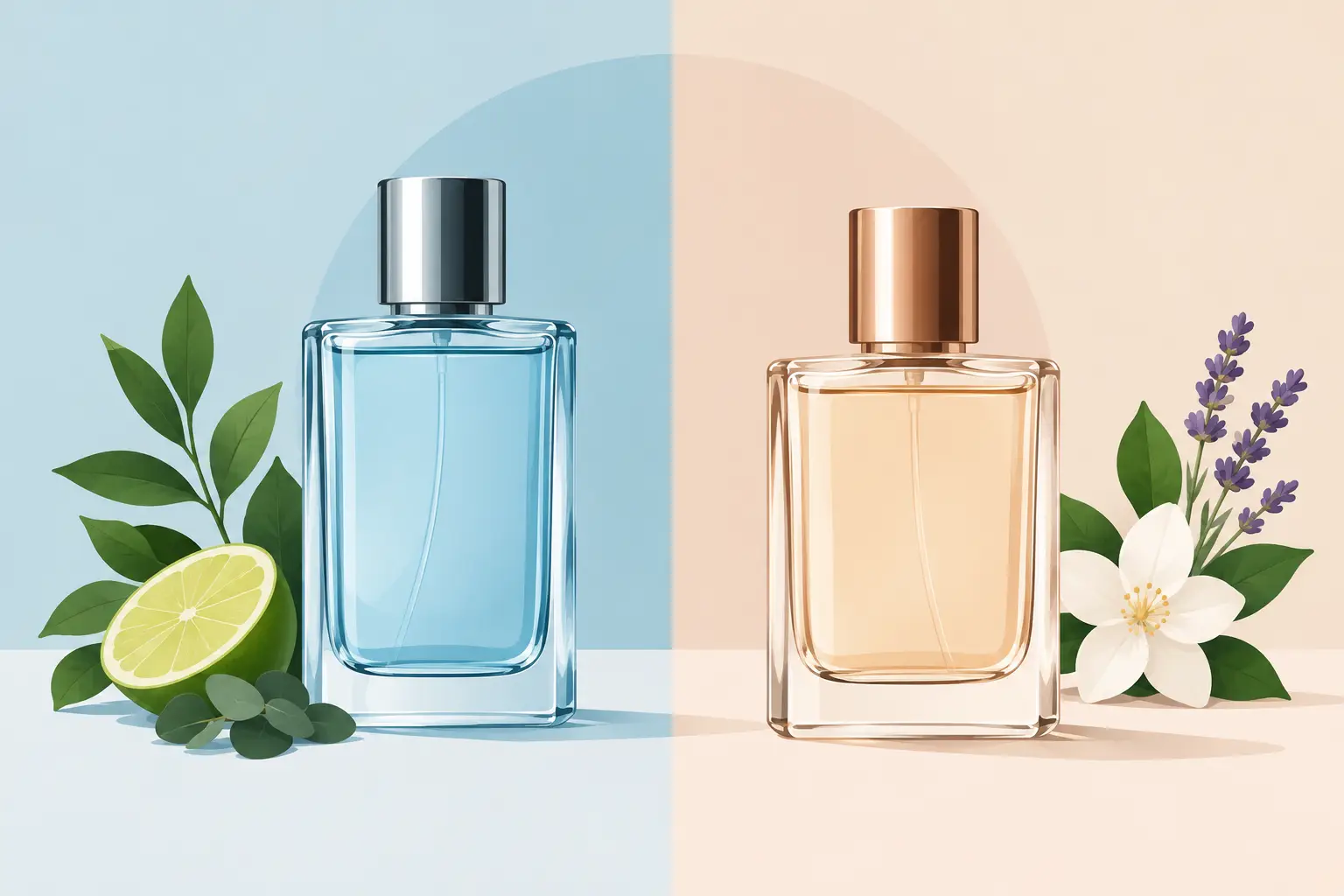
A bottle labeled Eau de Cologne can be the right choice for a quick morning refresh, while an Eau de Toilette may carry you from the commute through dinner. In the eau de cologne vs toilette decision, the better option is not automatically the one with the stronger scent. It is the one that matches how long you want to wear it, where you will be, and how you prefer fragrance to feel on your skin.
For everyday shoppers, these labels are useful starting points. They can also be confusing because performance varies by brand, formula, weather, and even your own skin. Here is how to read the difference and buy with more confidence.
Eau de Cologne vs Toilette: The Main Difference
The primary difference is fragrance oil concentration. Eau de Cologne, often shortened to EDC, traditionally contains less fragrance oil than Eau de Toilette, or EDT. More fragrance oil generally means a scent lasts longer and may project more noticeably, although that is not a guarantee.
Eau de Cologne commonly falls around 2% to 5% fragrance oil. It tends to feel light, bright, and easy to reapply. Eau de Toilette is commonly around 5% to 15%, giving it a more substantial presence and longer average wear.
These percentages are guidelines, not strict laws. Fragrance concentration labels are not regulated to one universal formula. A fresh, citrus-heavy EDT can wear closer to a soft cologne, while an EDC built around woods, musks, or aromatic notes can stay detectable longer than expected. Think of the label as a helpful signal, then consider the scent family and the brand’s description.
How long does each one last?
On average, Eau de Cologne may last about two to four hours. Eau de Toilette often lasts four to seven hours, sometimes longer. Skin type matters: fragrance can fade faster on dry skin and hold longer on moisturized skin. Hot, humid weather can make a scent project more at first but may also cause bright top notes to burn off quickly.
The notes in the formula matter just as much. Lemon, bergamot, grapefruit, neroli, and light herbs create the crisp opening people often expect from cologne, but they naturally evaporate faster. Cedar, amber, vetiver, patchouli, vanilla, and musk usually give a fragrance more staying power.
When Eau de Cologne Makes More Sense
Eau de Cologne is a practical choice when you want fragrance to stay close and feel uncomplicated. It works especially well after a shower, before the gym, on warm Miami-style days, or whenever you want a clean refresh without a heavy trail.
Many classic colognes lean citrus, herbal, green, or lightly spicy. That profile can feel polished at the office and comfortable in close quarters. If you are sensitive to strong fragrance, EDC can be an easier place to start because it is usually less intense.
Its trade-off is simple: you may need to reapply. That is not necessarily a downside. Some shoppers prefer a lighter scent they can refresh at lunch rather than wearing one bold application all day. A travel-size bottle or decant makes this especially convenient.
Eau de Cologne can also offer good value when you enjoy changing fragrances often. A lower concentration lets you apply more freely, and its lighter style can make it an easy addition to a rotation of fresh daytime scents.
When Eau de Toilette Is the Better Buy
Choose Eau de Toilette when you need more coverage from one morning application. It is often a smart middle ground for workdays, casual events, dates, gifting, and people who want a noticeable fragrance without the richness of many Eau de Parfums.
EDT is one of the most common concentrations in designer fragrance, so shoppers have a wide selection across men’s, women’s, and unisex scents. You will find everything from crisp aquatic and citrus profiles to florals, warm spices, woods, and amber-based blends.
The key advantage is balance. A good Eau de Toilette can have enough longevity for most of the day while still feeling appropriate for everyday wear. If you do not want to carry a bottle for reapplication, EDT is usually the safer choice between the two.
The trade-off is that some EDTs can feel stronger in warm weather or in small spaces. Start with two or three sprays, then adjust after you see how the fragrance performs on your skin. More sprays do not always improve longevity. They may only make the opening louder.
How to Choose Based on Your Routine
Instead of choosing by concentration alone, match the fragrance to the moment you are buying for. Eau de Cologne usually suits quick errands, daytime heat, post-shower use, and anyone who likes a subtle, clean impression. Eau de Toilette is usually better for full workdays, evenings out, and shoppers who want more wear without stepping up to Eau de Parfum.
Consider where you spend your day. In an air-conditioned office, an EDT may wear comfortably and stay present. Outdoors in high heat, a refreshing EDC or a lighter EDT can be more enjoyable than a dense scent. For travel, either works, but an EDT may be more convenient if packing space is limited and you do not want to reapply.
Budget is also part of the decision, but price should be judged by more than bottle size. An EDT may cost more upfront yet require fewer sprays and last longer between applications. An EDC may cost less and provide a style you genuinely wear more often. The better value is the bottle that fits your habits rather than the one with the highest concentration.
Get Better Performance From Either Concentration
Application can change your experience with both EDC and EDT. Apply fragrance to clean, dry skin, focusing on pulse points such as the neck and wrists. Do not rub your wrists together after spraying. Rubbing can disturb the top notes and make the opening disappear faster.
For dry skin, use an unscented moisturizer first. Hydrated skin often helps fragrance wear more evenly. You can also spray lightly on clothing from a safe distance, but test a hidden area first because some formulas may mark delicate fabrics.
Store bottles away from direct sunlight, heat, and bathroom humidity. A dresser drawer or cool closet helps protect the formula better than a sunny shelf. Proper storage will not turn an EDC into an EDT, but it can help the fragrance smell as intended over time.
A Quick Note on “Cologne” as a Shopping Term
In everyday US shopping, “cologne” is often used to describe men’s fragrance of any concentration. That can create confusion. A men’s bottle called cologne may actually be labeled Eau de Toilette, Eau de Parfum, or Parfum on the packaging.
When comparing products, check the full concentration printed on the bottle or product page. Then look at the note profile, reviews, and intended use. This gives you a clearer picture than relying on the casual term “cologne” alone.
Shop for the Wear You Want
The Eau de Cologne vs Toilette choice comes down to a light refresh versus longer everyday wear. Neither is universally better. EDC is ideal when crisp, subtle, and reapplicable is your goal; EDT is the practical pick when you want one application to work harder.
At Perfumes Trade, shopping by concentration can make it easier to narrow a large selection of recognizable fragrances without overthinking the label. Pick the wear time you need, choose a scent family you already enjoy, and give the fragrance a few wears before deciding whether it belongs in your regular rotation. The right bottle should make getting ready easier, not more complicated.